
CALL FOR AN
APPOINTMENT:
(989) 345-8113
APPOINTMENT:
(989) 345-8113
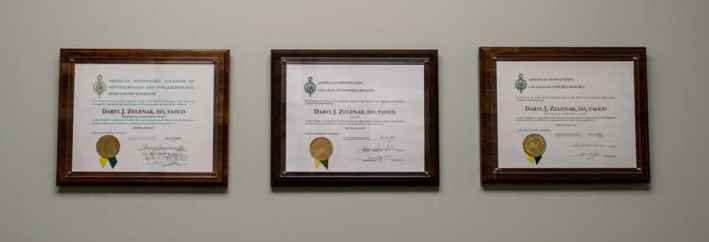

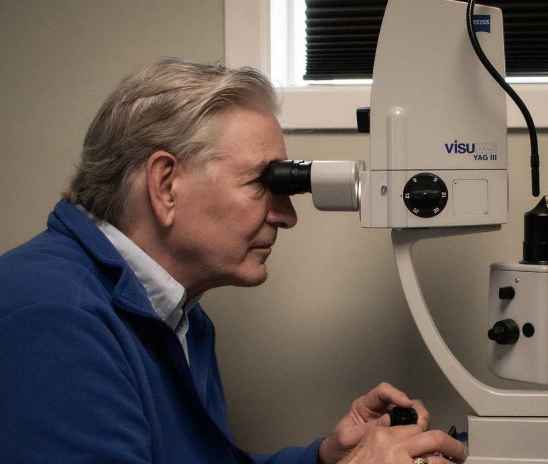
Dr. Daryl Zelenak is a board-certified ophthalmologist who has been helping patients in Mid-Michigan see more clearly since 2003. He specializes in treating cataracts, glaucoma, diabetic eye disease and macular degeneration. He offers treatments including advanced technology lens implants, minimally invasive glaucoma surgery and intravitreal injections. He also offers laser treatments for glaucoma, retinal diseases, floaters, and secondary cataracts.
For cataracts, he offers advanced technology lens implants that can reduce and possibly eliminate the need for glasses. For glaucoma, he provides several minimally invasive surgical options — includingthe iStent™ (a tiny implant that helps lower eye pressure), goniotomy, ECPendoscopic laser treatments, and other advanced laser therapies such as SLT, DSLT and MLT.
EDUCATION
Dr. Zelenak earned his Bachelor of Science in Ophthalmic Technology from Wayne State University and his Doctor of Osteopathic Medicine from Michigan State University. He completed his internship at St. John Oakland Hospital, and an ophthalmology residency at the Detroit Osteopathic Ophthalmology Consortium, where he served as Chief Resident. He also completed a medical education fellowship at Michigan State University College of Osteopathic Medicine.
ASSOCIATIONS
Past President, Michigan Society of Eye Physicians and Surgeons
Fellow, American Academy of Ophthalmology
Fellow, American Osteopathic Board of Ophthalmology
Fellow, American Osteopathic College of Ophthalmology, Otorhinolaryngology, Head and Neck Surgery
Member, American Medical Association
Member, American Osteopathic Association
Dr. Zelenak was born and raised in St. Clair Shores, Michigan. He is an avid outdoorsman who enjoys hunting, fishing, boating and hiking, as well as classic cars and travel.
What is Ophthalmology?
Ophthalmology (often misspelled as opthamology) is the branch of medicine that focuses on the eyes, including their health, function and diseases. Ophthalmologists are medical doctors who can diagnose and treat eye conditions, prescribe medications, and perform laser and scalpel eye surgery to help protect and restore vision.
How often should I get my eyes checked?
• For healthy adults, a comprehensive eye exam is recommended every 1–2 years
• Children: First exam at 6 months, 3 years, before school, then every 1–2 years
• Adults (18–60): Every 2 years if no vision problems
• Adults (60+): Annually
• If you have diabetes, glaucoma or wear contact lenses, yearly exams (or more frequent) are advised
What are the early signs of eye diseases like glaucoma or macular degeneration?
Often, there are no symptoms in the early stages which is why routine eye exams are vital. Early detection is key to preventing permanent vision loss.
• Glaucoma: Gradual loss of peripheral (side) vision
• Macular degeneration: Blurry or distorted central vision
• Diabetic retinopathy: Blurred or fluctuating vision, dark spots in the field of vision
What can I do to protect my vision as I age?
• Get regular eye exams
• Wear UV-blocking sunglasses
• Maintain good control of blood pressure, blood sugar, and cholesterol
• Eat a diet rich in leafy green vegetables, omega-3 fatty acids, and colorful fruits/vegetables
• Avoid smoking
• Exercise
• Report any sudden vision changes immediately