

CALL FOR AN
APPOINTMENT:
(989) 345-8113
APPOINTMENT:
(989) 345-8113
Cataracts happen when the natural lens in your eye becomes cloudy. They are very common with age, but certain factors, such as diabetes, smoking, long-term sun exposure, certain medications or family history, can cause them to appear earlier. As cataracts develop, vision often becomes blurry and may not improve with glasses. Early signs can include trouble driving at night because of glare or halos around lights, as well as more difficulty reading.
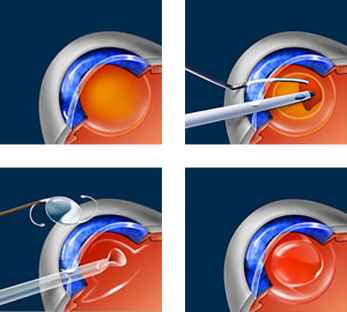
Early cataract symptoms may improve with glasses, brighter lighting or anti-glare lenses. If these no longer help, surgery may be the only effective treatment. In cataract surgery, the cloudy lens is removed and replaced with a clear artificial lens called an intraocular lens (IOL).
When cataract symptoms can no longer be managed without surgery,Dr. Zelenak provides expert care using the latest lens technology. With a blend of skill, compassion and innovation, he helps patients achieve clearer vision and an improved quality of life. Ogemaw Eye Institute offers Advanced Technology Intraocular Lenses for your cataract surgery:
— Alcon PanOptix® Pro Trifocal IOL
— Tecnis Odyssey™ IOL, Tecnis Eyhance™ Toric, Tecnis Eyhance Monofocal
Talk with Dr. Zelenak and his team about which lens best suits your vision and lifestyle needs.
How Is a Cataract Treated?
Early cataract symptoms may improve with glasses, brighter lighting or anti-glare lenses. If these no longer help, surgery is the only effective treatment. Cataracts are usually removed when vision interferes with daily activities like driving or reading. In some cases, surgery is needed sooner if the cataract blocks treatment of other eye conditions. If both eyes require surgery, procedures are done separately, usually 1-2 weeks apart.
Is Cataract Surgery Effective?
Cataract surgery is one of the most common and safest surgical procedures in the world. It is known for its high success rates and patient satisfaction. Over 95% of patients experience significant improvement in vision after cataract surgery. The visual improvement following cataract surgery may be limited by other eye diseases that affect the retina, optic nerve or vision centers in the brain.
What Are the Risks of Cataract Surgery?
Complications are rare but can include infection, bleeding, need for further surgery, change in appearance of the eye and worsening of the vision. Other risks include inflammation, retinal detachment, elevated eye pressure and visual disturbances (like glare or halos). Proper aftercare and follow-up visits reduce these risks. Immediate care should be sought if sudden flashes, floaters, pain, discharge or vision loss is experienced.
What If I Have Other Eye Conditions?
Many patients with cataracts also have conditions like macular degeneration, diabetic retinopathy or glaucoma. These preexisting conditions may limit the amount of improvement from cataract surgery. Dr. Zelenak will review risks, benefits and expected outcomes before surgery.
What Happens Before Surgery?
A complete dilated medical eye exam is performed along with other tests and measurements to help plan for a successful surgery. The test results are reviewed and Dr. Zelenak will discuss the details and risks of the surgery, lens implant options and answer all of your questions regarding the surgery. The surgery scheduler will go over the consent forms, preoperative and postoperative instruction sheets with you and schedule the dates for your surgery and follow up visits. You will need to avoid food and drink for a minimum of 8 hours before surgery.
What Happens During Surgery?
The procedure usually takes about 10 minutes and is nearly painless. Multiple drops will be put into the eye in the preoperative area. These drops will dilate your pupil and numb the eye. Once you are taken into the operating room you will receive IV or oral sedation, similar to the medications given for outpatient procedures such as colonoscopies. You are not “knocked out” completely. You will feel touch and pressure but there should not be pain. Many people say that “it was easier than getting my teeth cleaned”. Surgery involves removing the cloudy lens and replacing it with an IOL. Most people return home the same day.
What Happens After Surgery?
Mild discomfort, irritation and light sensitivity are common for a few days. You need to use the prescribed eyedrops and wear protective eyewear during healing. Avoid heavy lifting or rubbing your eye. Most healing occurs within 4-5 weeks.
Can Problems Develop After Surgery?
Although uncommon, issues like infection, inflammation or elevated eye pressure can occur.
When Will My Vision Be Improved?
Vision may be blurry at first as the eye heals and adjusts. Most patients notice clearer vision within a few days. Colors often appear brighter with the new lens. You may need new glasses after recovery. New glasses are typically prescribed 3-4 weeks after surgery if they are needed. Many patients use over the counter reading glasses while they are waiting for the eye to heal.
What Can I Do To Protect My Vision?
Wear sunglasses, eat a diet rich in fruits and leafy green vegetables and avoid smoking. If you are 60 or older, schedule a comprehensive dilated eye exam every two years to check for cataracts and other conditions.
What is a cataract?
A cataract is the gradual clouding of the eye’s natural lens, leading to blurred vision that often feels like looking through frosted or foggy glass. It can occur in either or both eyes but cannot spread from one to the other. Most cataracts are related to aging. By age 60, more than 50% of all Americans will have a cataract or have had cataract surgery. About 70 to 90% of people will have a cataract or have had cataract surgery by age 80. With a cataract, the proteins in the natural lens of the eye change slowly over time causing the lens to become cloudy. A cataract is not something new or a “film” growing over the eye.
What is the lens?
The lens is the clear part of the eye that focuses light onto the retina, the light-sensitive tissue at the back of the eye. The retina then converts light into signals that are sent to the brain by the optic nerve, allowing you to see. When the lens becomes cloudy from a cataract, light cannot focus properly, and vision becomes blurred.
What Causes Cataracts?
The human lens works like a camera lens, focusing light onto the retina. With age, the proteins in the lens change, causing cloudiness known as a cataract. Smoking, diabetes, UV light and natural changes over time can also contribute. A cataract is not something new or a “film” growing over the eye. The proteins that make up the natural lens of the eye change over time and the lens becomes cloudy.
How Do Cataracts Affect Vision?
Cataracts blur vision as the cloudy lens blocks light from reaching the retina. They often develop slowly, causing dull or blurry vision and faded colors. Advanced cataracts can make it hard to see at night or distinguish certain colors, like blues and purples.
When Are You Most Likely to Have a Cataract?
Although most cataracts appear after age 60, they can begin as early as your 40s or 50s. At first, they’re usually small and don’t affect vision, but they may worsen with age.
Who Is at Risk for a Cataract?
Risk increases with age, but other factors include diabetes, smoking or alcohol use, long-term sun exposure and certain medications.
What Are the Symptoms of a Cataract?
Common symptoms include:
• Blurry or cloudy vision
• Faded colors
• Glare or halos around lights
• Poor night vision
• Double vision in one eye
• Frequent eyeglass prescription changes
Are There Different Types of Cataracts?
Yes. Besides age-related cataracts, other types include:
• Secondary – linked to eye surgery, diabetes, or steroid use
• Traumatic – caused by injury, sometimes years later
• Congenital – present at birth or childhood
• Radiation – caused by certain radiation exposure
How Is a Cataract Detected?
A cataract is diagnosed during a comprehensive eye exam, which may include:
• Visual acuity test – measures sharpness of vision
• Dilated exam – allows for examination of the entire eye including lens, retina and optic nerve
• Tonometry – measures eye pressure
• Refraction - checks to see if new glasses will improve the vision