
CALL FOR AN
APPOINTMENT:
(989) 345-8113
APPOINTMENT:
(989) 345-8113
Glaucoma is an eye disease that causes damage to the optic nerve. The optic nerve is like a cable that sends the images you see from your eye to your brain. When the optic nerve is damaged, it creates blind spots in your side (peripheral) vision. Most people don’t notice these blind spots until the disease is advanced and any vision loss that has already happened cannot be reversed. If the optic nerve becomes severely damaged, it can cause total blindness.
The good news is that glaucoma can often be prevented from causing vision loss if it is found early and treated with eye drops, laser treatments or surgery.
Early detection. Treatment. Prevention.
Protect your vision with advanced glaucoma care from Ogemaw Eye Institute. Our team uses the latest diagnostic technology to detect glaucoma early, often before symptoms appear, and provides personalized treatment to help you maintain healthy eyes for life.
Our glaucoma care includes:
• Comprehensive glaucoma screenings
• Advanced imaging and visual field testing
• Eye drop therapy, laser treatments and minimally invasive glaucoma surgeries, including:
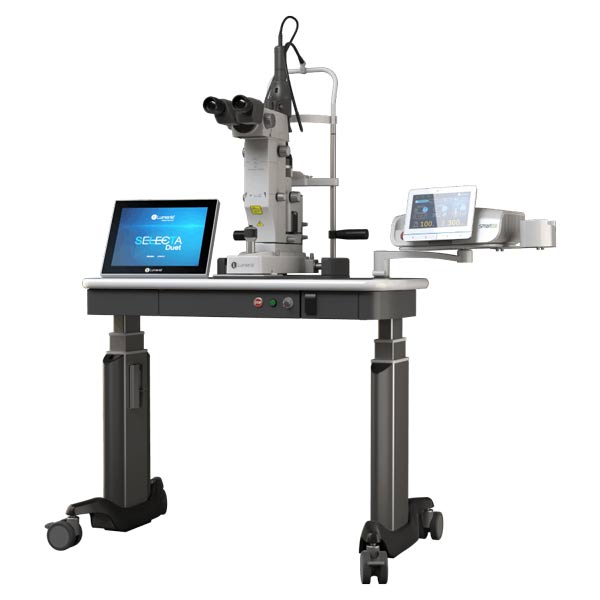
— Selective Laser Trabeculoplasty (SLT) Procedure — a gentle, non-invasive laser procedure used to lower intraocular pressure (IOP) in patients with open-angle glaucoma. Ogemaw Eye Institute employs the Lumenis Selecta® Trio™, an advanced laser platform that stimulates the eye’s natural drainage system helping to lower eye pressure.
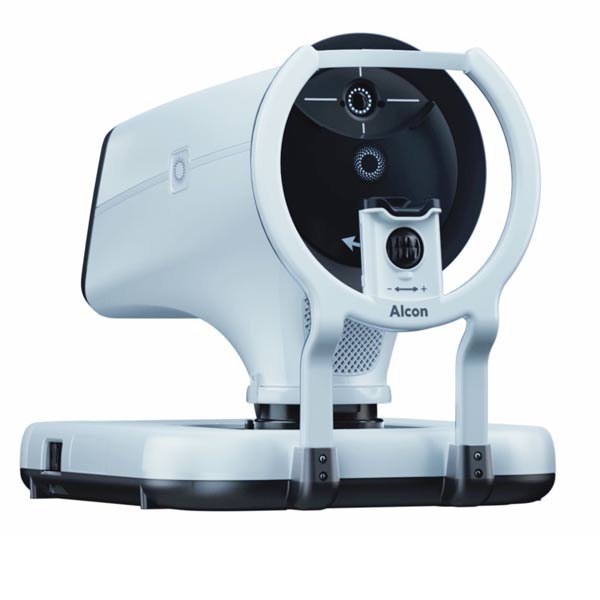
— Direct Selective Laser Trabeculoplasty (DSLT) Procedure — Ogemaw Eye Institute is proud to be the first practice in Northern Michigan to offer the Alcon Voyager™ Direct Selective Laser Therapy (DSLT), a quick, gentle and drop-free laser treatment for glaucoma. This advanced technology safely lowers eye pressure in seconds with no incisions or injections.
— Endoscopic CycloPhotocoagulation (ECP) Procedure — Ogemaw Eye Institute offers this safe, minimally invasive laser procedure that helps lower eye pressure in patients with glaucoma. Using a tiny endoscopic laser, ECP precisely treats the part of the eye that produces fluid, reducing pressure and helping protect vision. ECP is typically done at the time of cataract surgery.
— Minimally Invasive Glaucoma Surgery (MIGS) — Ogemaw Eye Institute offers this surgical technique to lower the intraocular pressure (IOP) in patients with glaucoma. Unlike traditional glaucoma surgeries, MIGS can be done through smaller incisions with reduced tissue trauma and quicker recovery times.
At Ogemaw Eye Institute, we combine advanced technology, innovative treatments, and personalized care to manage glaucoma and preserve your vision. With early detection and expert follow-up, most patients can maintain healthy sight for life.
What is Glaucoma?
Glaucoma is a group of eye diseases that damage the optic nerve. This nerve damage can narrow your side (peripheral) vision and, if left untreated, lead to total vision loss. Glaucoma can affect one or both eyes, with primary open-angle glaucoma being the most common form.
Why is it Important to Raise Awareness About Glaucoma?
Glaucoma is a leading cause of blindness in the United States, yet it often has no early symptoms. Many people don’t realize they have it until vision loss has already occurred. Once vision has been lost to glaucoma that loss cannot be restored. Early detection through regular, comprehensive eye exams is key. Anyone can get glaucoma, but risk is higher for:
• African Americans over age 40
• Adults over age 60, especially Hispanics/Latinos
• Those with a family history of glaucoma
With early diagnosis and treatment, glaucoma can usually be controlled to help preserve vision.
How is Glaucoma Detected?
Glaucoma is diagnosed through a comprehensive dilated eye exam, which may include:
• Visual acuity test: Measures how clearly you see at different distances
• Visual field test: Checks your side vision for areas of decreased visual sensitivity or vision loss
• Dilated eye exam: Uses special drops to widen your pupils so your doctor can examine your retina and optic nerve
• Tonometry: Measures eye pressure
• Pachymetry: Measures corneal thickness
Can Glaucoma Be Cured?
No, sadly, glaucoma cannot be cured and vision loss cannot be regained. However, early detection and proper treatment can slow or stop further damage.
Glaucoma Treatments
Early treatment can help protect your sight. Options include:
• Prescription eye drops
• Laser procedures such as DSLT, SLT or ECP
• Surgery to improve fluid drainage and lower the eye pressure
Often, a combination of treatments is used to maintain healthy eye pressure and preserve vision.
Loss of Vision
If glaucoma has affected your sight, low vision services and devices can help you make the most of your remaining vision. Ask your doctor for a referral to a low vision specialist or local support resources.
How Should I Use My Glaucoma Eyedrops?
Using your prescribed eyedrops correctly is essential for controlling glaucoma. Follow these steps:
1. Wash your hands
2. Hold the bottle upside down and tilt your head back
3. Gently pull down your lower eyelid to form a pocket
4. Place the drops in the pocket, not directly on the eye
5. Wait at least five minutes between different drops
6. Close your eye or press gently on the inner corner for one minute to help absorption and reduce side effects
What Are SLT and DSLT?
Selective Laser Trabeculoplasty (SLT) and Direct Selective Laser Trabeculoplasty (DSLT) are non-invasive laser treatments designed to lower eye pressure (intraocular pressure or IOP) in patients with open-angle glaucoma and ocular hypertension. Both procedures improve the natural fluid drainage from the eye, reducing pressure and slowing disease progression without the need for incisions or implants.
How does SLT Work?
SLT uses a gentle laser to target pigmented cells in the trabecular meshwork, the eye’s natural drainage system. The energy triggers a biological response that increases fluid outflow and lowers IOP.
What are the Key Benefits of SLT?
• Non-invasive and quick — usually 5-10 minutes per eye
• Medication-sparing — often reduces or replaces the need for glaucoma drops
• Repeatable — can be performed multiple times
What Should a Patient Expect with SLT?
• Performed in the ophthalmologist’s office
• Minimal discomfort — anesthetic drops used
• Little to no downtime
• Most patients resume normal activities immediately
• Pressure-lowering effect develops over days to weeks
What Makes DSLT Different?
DSLT provides an improved delivery system that makes the procedure faster and more comfortable than standard SLT. Instead of placing a lens on the eye, DSLT delivers laser energy through the layers of the eye from a distance, eliminating contact with the eye.
What are the Key Advantages of DSLT?
• Completely non-contact — no eye-touching equipment
• Faster treatment — often completed in less than 30 seconds
• More comfortable for sensitive patients
What Do Patients Experience?
• Sit comfortably at the device, no lens or pressure on the eye
• Quick flash of laser light that lasts only 2.4 seconds; most patients feel nothing
• Immediate recovery; no post-procedure restrictions