
CALL FOR AN
APPOINTMENT:
(989) 345-8113
APPOINTMENT:
(989) 345-8113
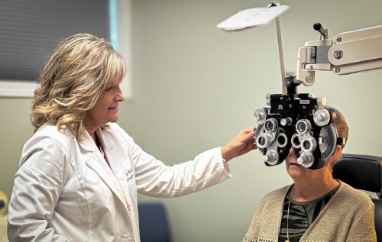
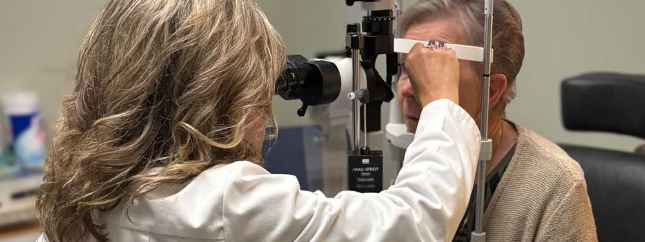
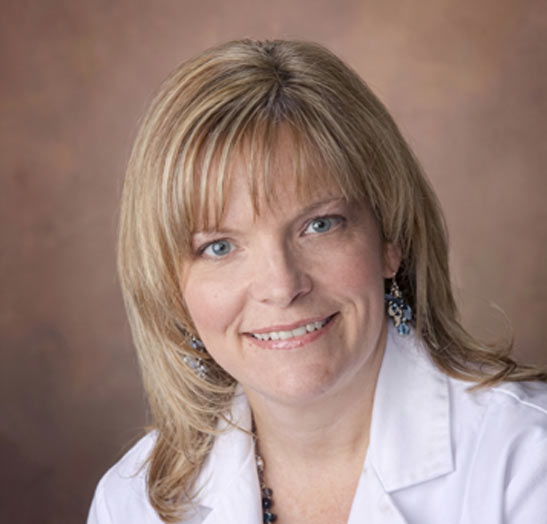
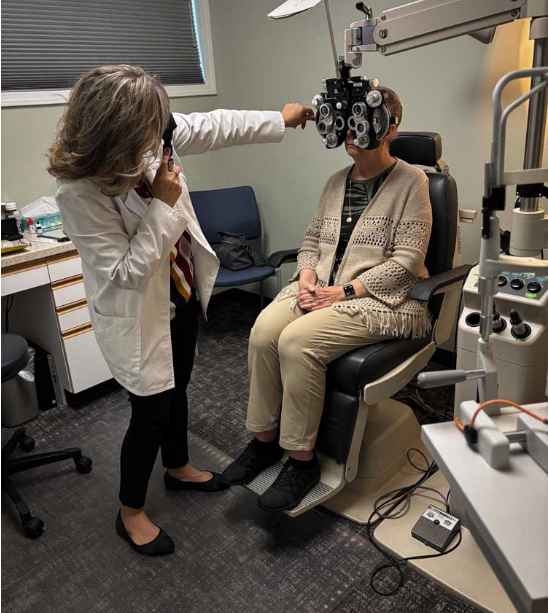
Dr. Kelly Bulow, O.D., has been caring for patients in Mid-Michigan andNorthern Michigan since 1997. A West Branch native, she returned to her hometown in 2003 to provide comprehensive eye care for her community. She provides full-scope family optometric eye care, including children’s exams, routine eye exams, contact lens fittings and the management of ongoing vision and eye health needs.
EDUCATION
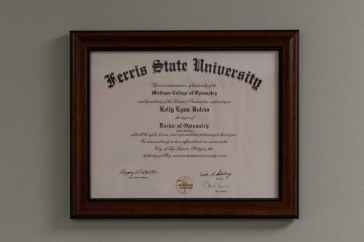
Dr. Bulow earned her undergraduate degree from Ferris State University and graduated with honors from the Michigan College of Optometry.
ASSOCIATIONS
Member, American Optometric Association
Member, Michigan Optometric Association
Member, Saginaw Valley Optometric Association
Outside the office, Dr. Bulow enjoys life with her husband, two children and a grandchild. She is actively involved with her family and loves spending time outdoors, camping, walking, golfing and cross-country skiing.
What is an eye doctor called?
An eye doctor can be an optometrist, who provides primary eye care, or an ophthalmologist, a medical doctor who can perform medical and surgical treatment for eye conditions. Another related professional, an optician, is trained to fit eyeglasses and contact lenses based on a prescription from an eye doctor.
When should I see an ophthalmologist instead of my optometrist?
Optometrists and ophthalmologists often work together to co-manage care, ensuring you get the best treatment at every stage. Dr. Bulow refers patients to
Dr. Zelenak if a patient needs:
– Surgery (like cataract or glaucoma surgery)
– Advanced treatment for retinal disease or corneal conditions
– Specialized testing beyond the scope of routine care
Do I really need an eye exam if I can see fine?
Yes, many eye diseases like glaucoma, diabetic retinopathy or macular degeneration, can develop without symptoms early on. Regular exams can help detect problems before vision is affected. Even if your vision seems fine, your eye doctor checks your eye health, prescription accuracy and overall visual function.
What is the best way to prevent my eyes from getting worse?
You can protect your eyes and help prevent or slow conditions like cataracts and macular degeneration by:
– Getting regular eye exams
– Wearing UV-blocking sunglasses outdoors
– Following the 20-20-20 rule for screen time
– Eating eye-healthy foods (leafy green vegetables, fish, nuts)
– Controlling blood sugar and blood pressure
– Not smoking
– Exercising